Deciding whether to sink more money into an aging heater or air conditioner is one of the most significant choices a homeowner in the Atlanta Metro area has to face. It is rarely as simple as a "yes" or "no" answer, as the right path depends on several technical factors, including the age of your equipment and the frequency of recent breakdowns. Balancing the immediate cost of a fix against the long-term investment of a new unit requires a clear understanding of your home’s energy goals. Making an informed choice now ensures your family stays comfortable without overpaying for utility bills in the future.
Understanding the Lifespan of Georgia HVAC Systems
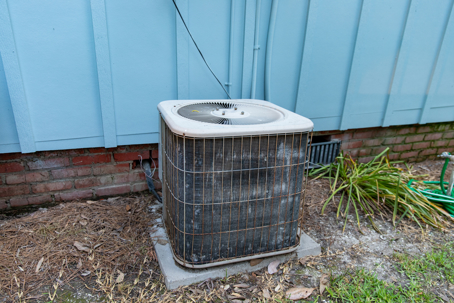
The chronological age of your system is the first technical indicator of its health, as most modern units are engineered to operate reliably for about 10 to 15 years. While a well-maintained furnace might push toward the 20-year mark, the outdoor air conditioning components often wear out faster due to the intense Georgia humidity. If your system is approaching its teenage years, the internal parts are likely nearing the end of their mechanical life. Investing in a major repair for a 12-year-old unit often results in chasing the next failure just a few months later.
Consider these age-related milestones when evaluating your current system:
- Units under 10 years old are generally worth repairing unless the cost of the fix exceeds 50% of the system's total value.
- Systems over 12 years old often see a sharp decline in energy efficiency compared to modern high-performance models.
- Older equipment using R-22 refrigerant is increasingly expensive to service due to the phase-out of those older substances.
Analyzing the Frequency and Cost of Recent Issues
If you find yourself calling a technician multiple times during a single summer or winter, your system is sending a clear message. A single HVAC repair is a normal part of homeownership, but recurring issues suggest the entire system is struggling to keep up with your home's load. Frequent nuisance repairs like blown capacitors or clogged drain lines can quickly add up to the cost of a significant down payment on a new, reliable installation. It is often more cost-effective to put that money toward a unit that comes with a fresh manufacturer’s warranty.
If you have had more than two significant repairs in the last two years, that's a red flag. Another is when your monthly utility bills are rising even though your usage habits haven't changed. You may also observe your system struggling to reach the temperature set on your thermostat during extreme weather.
Comparing Energy Efficiency and Monthly Savings
Modern HVAC technology has advanced significantly in the last decade, meaning a new system can often pay for itself over time through lower energy consumption. Older units often have a lower SEER rating, while new high-efficiency models can reach 16, 20, or even higher. This jump in efficiency means your new air conditioner uses much less electricity to provide the same level of cooling. When you choose to replace, you aren't just buying a new box; you are investing in a lower monthly overhead for your household.
The financial benefits of upgrading to a modern system include:
- Significant reductions in your summer cooling and winter heating costs.
- Advanced humidity control that makes a Georgia afternoon feel much more comfortable indoors.
- Eligibility for federal tax credits or local utility rebates that offset the initial purchase price.
Understanding the Importance of Safety and Air Quality
Beyond just the temperature, an aging HVAC system can impact the overall health and safety of your living environment. Older furnaces can develop cracks in the heat exchanger, which poses a risk of carbon monoxide leaks, while neglected AC units can harbor organic growth in the damp evaporator coils. If your current system is blowing dusty air or making loud, grinding noises, it may be compromising your indoor air quality. Replacing an outdated system allows you to integrate modern filtration and purification tools that keep your family breathing easier.
A new installation offers these wellness advantages:
- Airtight cabinets that prevent unconditioned attic or crawlspace air from entering your vents.
- Variable-speed motors that provide constant, gentle air filtration throughout the day.
- Quieter operation that restores the peace and tranquility of your bedrooms and living areas.
Choosing the Best Path for Your Home’s Future
Deciding between a professional fix and a full system upgrade comes down to the long-term safety, efficiency, and cost-savings of your household. While a minor mechanical issue on a relatively new unit is worth a quick repair, sinking thousands into an aging system often leads to higher utility bills and the stress of repeated breakdowns. Taking a proactive approach allows you to choose your home’s climate solution on your own timeline rather than being forced into a rushed decision during a mid-summer heatwave.
When your current unit starts showing these signs of fatigue, Ronald Smith Heating & Air is here to provide an honest, technical evaluation of your equipment. Our NATE-certified team specializes in high-efficiency HVAC installation for homes that need a fresh start, as well as precision HVAC repair for systems that still have life left in them. We focus on the technical side of your home’s comfort, ensuring you understand the condition of your furnace and AC so you can make the best choice for your family’s budget.
Stop worrying about your aging unit and get the facts you need to move forward with confidence today! Schedule a service with Ronald Smith Heating & Air through this online form or call us at (770) 766-9212.